Audience Engagement: Creating Inclusive Cultural Experiences for Singles, Seniors, and Young Professionals

For many arts organizations, the challenge is no longer simply presenting great performances. The real challenge is building meaningful relationships with audiences and creating experiences that make people feel welcomed, included, and connected.

Traditional audience development strategies often focus on marketing and ticket sales. While those are important, they rarely address a deeper question: How do we design arts experiences that invite people to participate, interact, and belong?

This is the guiding philosophy behind Encounters With the Arts—an audience engagement approach that transforms cultural events into shared social experiences.

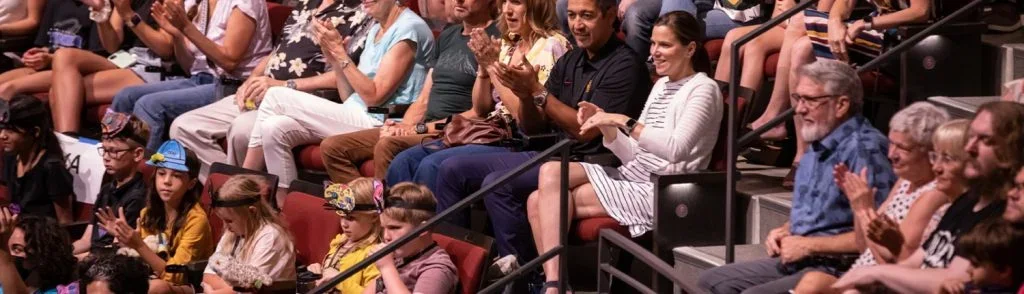
Instead of positioning the arts as something people simply attend, this model encourages audiences to experience the arts together through conversation, interaction, and community building.

When designed intentionally, programs centered around Singles, Seniors, and Young Professionals can become powerful gateways for expanding audiences and cultivating long-term supporters.


Moving Beyond Attendance to Engagement

Audience engagement begins by recognizing that people often attend cultural events for more than the performance itself.

They come for:

  • Connection with others
  • Intellectual stimulation
  • A sense of belonging
  • Social interaction in welcoming environments

Encounters With the Arts programs intentionally create space for these experiences by blending artistic presentation with structured opportunities for interaction.

Examples include:

  • Pre-performance conversations or social mixers
  • Small group discussions with artists or cultural leaders
  • Curated meet-and-greet gatherings
  • Post-performance receptions or salons

These experiences transform an evening at the arts into a cultural gathering rather than simply a performance.


Engaging Singles Through Shared Cultural Experiences

Many adults seek meaningful ways to connect with others beyond traditional nightlife or dating environments.

Arts experiences can provide a natural setting for this type of interaction.

Programs designed for singles might include:

  • Pre-concert social mixers
  • Cultural conversation groups
  • “Meet at the Arts” gatherings tied to performances
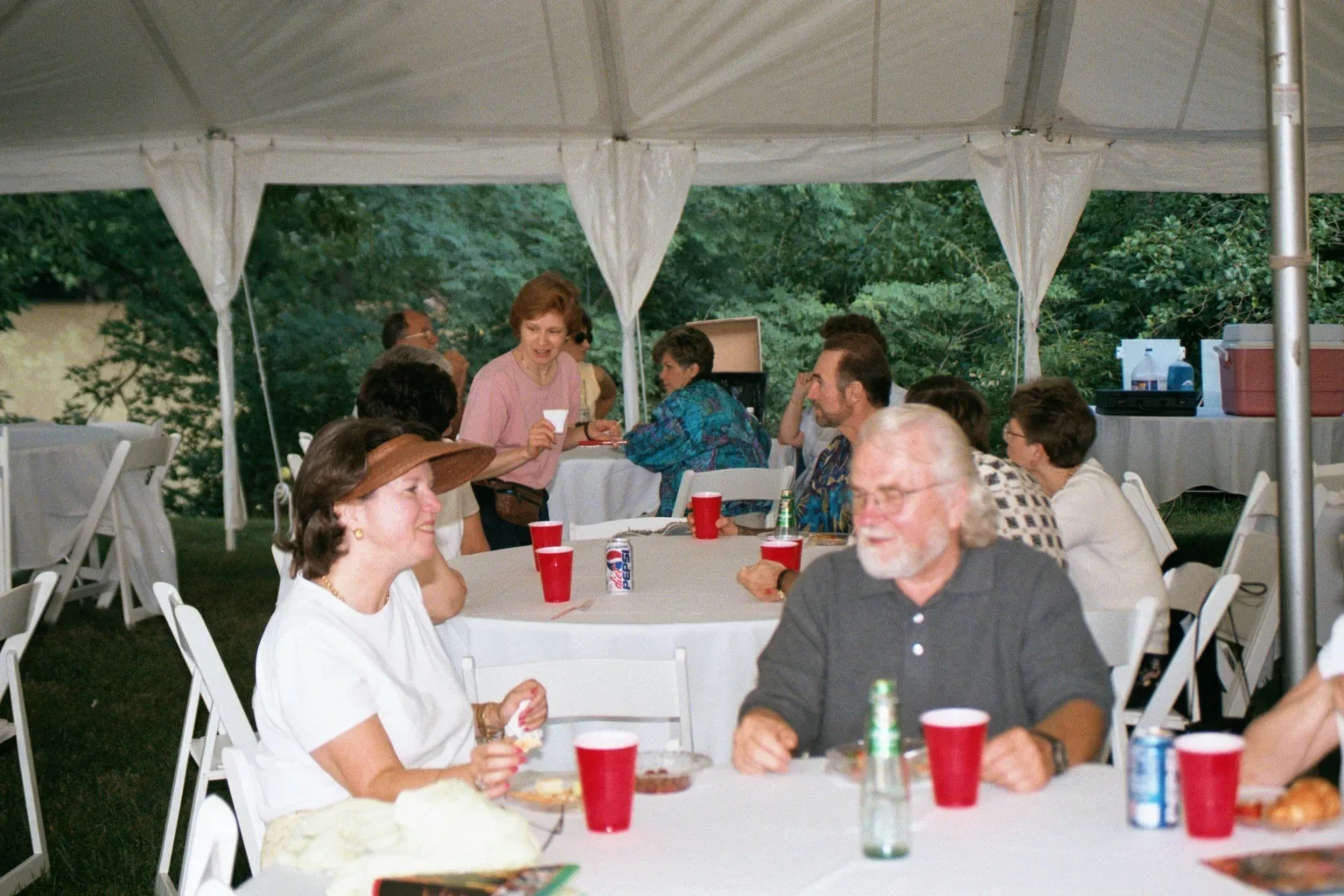
  • Small group seating or shared tables for performances or receptions

By creating opportunities for people to interact around shared cultural interests, arts organizations can offer something increasingly rare: authentic social engagement grounded in creativity and conversation.

For singles, the arts become more than entertainment—they become a community experience.


Inviting Seniors Into Cultural Community

Seniors represent one of the most loyal audiences for the arts, yet many programs fail to fully embrace their desire for deeper engagement.

Encounters With the Arts initiatives can support seniors by creating programs that emphasize learning, connection, and participation.

Examples include:

  • Afternoon cultural salons or lecture-performances
  • Artist conversations and storytelling events
  • Intergenerational arts gatherings
  • Small group discussions exploring music, theater, or visual arts

These experiences recognize that seniors bring a lifetime of cultural perspective and wisdom, enriching the dialogue around the arts.

When seniors are invited not only to attend but to participate, they often become some of the most committed advocates for arts organizations.


Connecting with Young Professionals

Young professionals are often interested in the arts but may feel uncertain about how to engage.

They are looking for experiences that are:

  • Social
  • Informal
  • Interactive
  • Connected to broader cultural conversations

Encounters With the Arts programs designed for this audience might include:

  • After-work arts gatherings
  • Artist talks paired with networking events
  • Cultural happy hours or informal receptions
  • Curated small group experiences tied to performances

These formats remove the perceived barriers sometimes associated with traditional arts attendance and replace them with welcoming, community-oriented cultural environments.

For many young professionals, these programs can serve as their first meaningful connection to arts organizations.


Building Inclusive Cultural Communities

The most successful audience engagement strategies recognize that the arts have the power to bring diverse groups of people together.

Programs centered around singles, seniors, and young professionals create multiple entry points into the arts ecosystem.

When designed thoughtfully, they can:

  • Expand audience diversity
  • Foster intergenerational dialogue
  • Build long-term audience loyalty
  • Transform arts organizations into community gathering spaces

Encounters With the Arts embraces the idea that cultural engagement is not only about presenting artistic excellence—it is also about creating spaces where people encounter one another through the arts.


The Future of Audience Engagement

Arts organizations that thrive in the future will be those that move beyond transactional relationships with audiences and focus on cultivating meaningful cultural communities.

Audience engagement programs rooted in conversation, connection, and shared experience can transform how people interact with the arts.

Encounters With the Arts offers a model for doing exactly that—inviting audiences not just to attend performances, but to participate in a richer cultural dialogue.

When the arts become a place where people gather, connect, and belong, they become far more than events on a calendar.

They become living cultural experiences.